Commercial cleaning and food hygiene professionals in Brampton support food establishments, food centers, bakeries, warehouses, and food service operations maintaining standards. They decontaminate regularly touched surfaces, food preparation surfaces, equipment, floors, drains, restrooms, and prep zones with approved chemicals, maintaining proper ratios, and recording exposure duration. You require scheduled cleaning based on hazard level, volume, food allergies, and inspections, plus verification records that support HACCP, audits, and regulatory adherence. The sections below outlines how effective cleaning systems should include.
Key Takeaways
- Sanitation specialists in Brampton work with restaurants, grocery departments, commissaries, warehouses, bakeries, schools, mobile vendors, and allergen-sensitive operations.
- Cross-contamination elimination is accomplished by cleaning high-touch surfaces, food-contact equipment, kitchens, floors, drains, restrooms, and storage areas with area-specific procedures.
- Filing of conclusion through swabs, assessments, and corrective-action records verifies approved specialists have checked approved sanitizer dilution, suitability, and contact time.
- Regular, regular, and seasonal duties distributed by section comprise cleaning calendars grounded on threat, production volume, format changes, releases, and regulations.
- Prioritize contractors exhibiting hazard analysis knowledge, sanitation expertise, safety training preparation, protection, endorsements, color-coded tools, and inspection-ready cleaning files.
Brampton Facilities That Need Food Safety Cleaning: Which Ones?
You must maintain food safety cleaning if your operation is regulated by public health review, food regulations, or HACCP systems. This covers restaurants, cafeterias, commissaries, grocery food departments, butcher shops, seafood counters, convenience stores, and institutional kitchens.
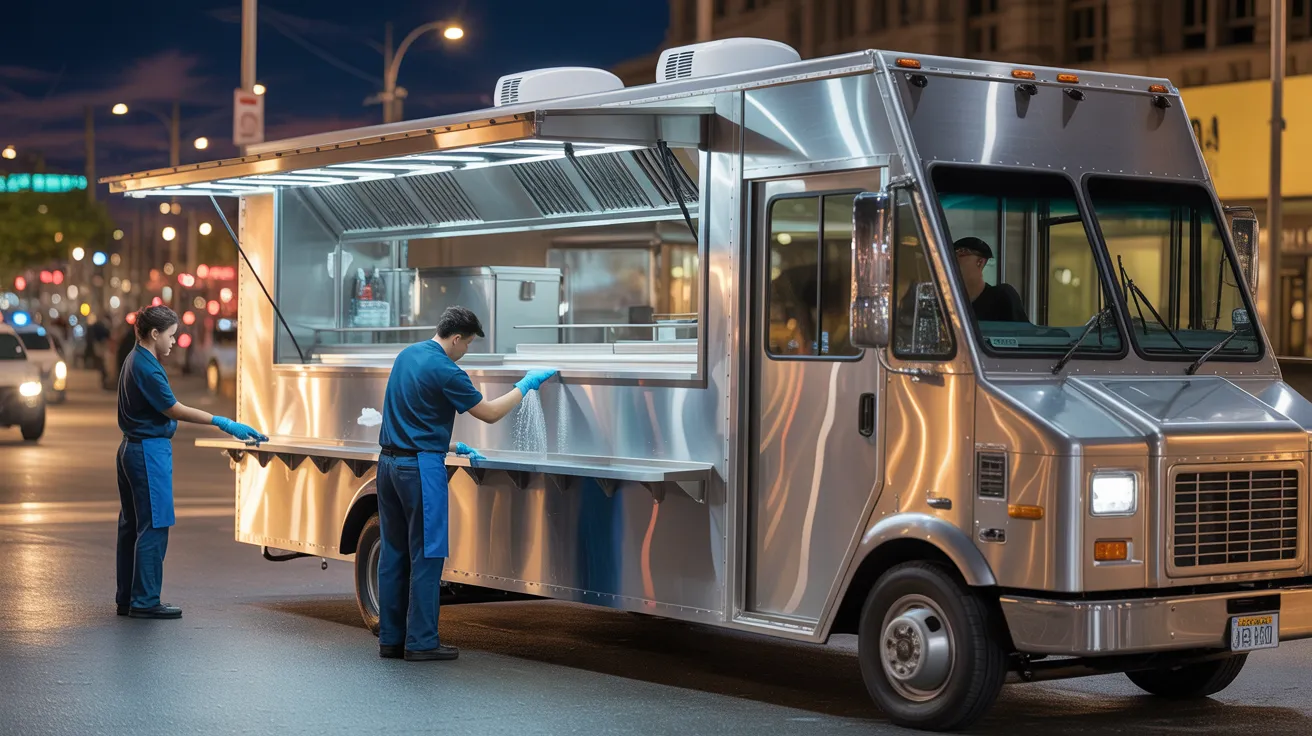
You'll equally need proper hygiene protocols in supply facilities, manufacturing operations, cold storage warehouses, bakeries, school food programs, reception halls, and delivery services. Mobile and temporary operations are included, including mobile kitchens, market vendors, and seasonal booths. If your staff handle raw materials, divide prepared dishes, warm finished meals, or maintain allergen storage, your facility requires documented cleaning protocols. In Brampton, food safety is necessary; it forms regulatory, business, and safety adherence.
What Do Brampton Cleaning Professionals Handle?
You need cleaning experts who sanitize high-touch surfaces, kitchens, floors, and restrooms to comply with food safety and health regulations. They target these areas because they pose the greatest danger for contamination spread, slip hazards, and sanitation breaches.
By understanding their service scope, you are able to confirm your facility's cleaning procedures meet compliance standards.
Important High-Touch Surface Sterilization
develop a sanitizing protocol
using unidirectional patterns, and organizing cleaning materials by section
Kitchen Areas, Floor Surfaces, and Bathroom Spaces
Expect Brampton cleaning experts to focus on kitchens, floors, and restrooms because each area carries unique food safety, accident prevention, and public health risks. In industrial kitchens, you need grease removal from cooking stations, appliance surfaces, drain systems, preparation areas, and backsplashes to minimize contamination and pest pressure.
You should also expect documented flooring maintenance. is likewise provided as part of the service.
Restroom sanitation requires decontaminating touchpoints, fixtures, partitions, dispensers, and waste containers, restocking supplies and controlling odours. They also maintain restaurant cleaning supply rooms where product storage, sink cleanliness, and drain systems impact daily sanitation standards and worker protection.
How Food Safety Cleaning Benefits Brampton Operations
To comply with health code requirements and succeed in audits, Brampton establishments must follow appropriate cleaning protocols. You also minimize cross-contamination by cleaning and sanitizing food-contact surfaces, equipment, and high-touch areas correctly. Most importantly, you help protect community wellness by reducing the chance of food poisoning in your establishment.
Regulatory Code Requirements
Food establishments in Brampton face mandatory safety protocols, making food safety cleaning vital to fulfilling health code requirements, defending patrons, and sidestepping enforcement action. You must maintain sanitized food contact points, recorded sanitation plans, safe chemical management, and documented employee protocols that comply with municipal and provincial inspection expectations.
When cleaning standards slip, violations, corrective orders, reputation damage, and operational interruption from further inspections or regulatory actions become dangers.
Cross-Contamination Prevention
Adhering to health code standards requires your skill in preventing cross-contamination throughout daily food handling and cleaning. You need to separate raw ingredients from ready-to-eat foods, clean prep surfaces between tasks, and store cleaning supplies separately from food. Organized systems minimize contamination events and maintain ongoing regulatory adherence.
You should implement allergen segregation to keep priority allergens from contacting shared surfaces, containers, or equipment. Use dedicated cutting boards, color-coded tools, and strict utensil labeling so staff don't mix items throughout cooking or serving. Require handwashing after handling raw meat, seafood, eggs, or allergen-containing products. Replace wiping cloths regularly, and check disinfectant potency using test kits. When staff members receive training on these procedures each work period, you build a more hygienic, secure workplace that satisfies Brampton's safety standards consistently.
Community Health Safety
When food safety cleaning weaken, you don't only risk a failed inspection—you expand the chance of food contamination striking customers, staff, and the larger Brampton community. You also undermine your responsibility in safeguarding community wellness, especially in high-traffic food premises where contamination can spread quickly through surfaces, equipment, and touchpoints.
You need cleaning protocols that eliminate contaminants, disinfect properly, and verify results. That requires adhering to contact times, employing authorized sanitizers, documenting schedules, and training staff to meet health-unit expectations. These measures facilitate disease prevention by reducing pathogens before they contaminate surfaces or food. In Brampton, rigorous cleaning shields at-risk groups, prevents disease spread, and enables you to show due diligence. When you maintain proper standards, you exceed basic requirements—you substantially decrease danger and promote secure food handling citywide.
How Does Cleaning Support Food Safety Compliance?
Rigorous cleaning routines promote food safety compliance by decreasing contamination threats, preventing pathogen multiplication, and ensuring your facility complies with sanitation requirements under HACCP-based programs and public health regulations. You validate that food-handling surfaces stay visibly clean and microbiologically controlled, backing documented preventive controls and inspection readiness.
Rigorous cleaning standards also improve allergen prevention by clearing residues that can provoke undeclared allergen exposure.
Determining When to Arrange Commercial Cleaning
cleaning routines or between work periods wherever food-contact areas, washrooms, and high-contact zones
Establish every week or every month service on drain systems, vents, storage racks, and difficult-to-access zones, determined by inspection results and sanitation logs. Set aside seasonal deep cleaning to cover shutdowns, weather-related soil buildup, or pest-pressure periods
What Should You Look For in Brampton Cleaning Experts?
Start by screening providers against food sanitation standards, not cost only. You should verify that each company understands CFIA, public health, and HACCP compliance standards relevant to your facility. Ask for insurance documentation, WHMIS compliance, documented staff training, and supervision practices. Review whether technicians understand contamination prevention, chemical handling, and traceable sanitation records.
You must also evaluate business consistency and oversight. Seek references from Brampton food companies, then assess response speed, corrective-action procedures, and communication quality. Ensure the company enables supplier checks and can provide inspection-compliant records when authorities or third parties demand verification. Verify equipment is maintained, color-coded items are deployed correctly, and operational-specific risks are understood. A reputable service protects compliance, product integrity, and your market standing.
What's included in a sanitation cleaning strategy?
Create a documented plan that makes clear every sanitation responsibility, standard, and task before production begins. You should outline cleaning schedules, authorized chemicals, concentration levels, contact duration, implements, and validation techniques for each begin now zone, surface, and piece of equipment. Include pre-operational inspections, corrective actions, and employee training requirements.
Your framework should also include cross-contamination controls, waste handling, pest-prevention measures, and documented schedules for bathrooms, drainage, ground surfaces, and food-handling zones. Clarify how you'll separate raw and ready-to-eat processes, help with ingredient tracking, and copyright accurate allergen labeling through validated cleaning between product changes. You should establish accountability, preserve signed records, and check results against regulatory standards, HACCP controls, and customer requirements. When gaps appear, revise procedures immediately and retrain staff.
Frequently Asked Questions
Will sanitation providers handle nighttime hours at Brampton properties?
If you run controlled spaces, you'll also need records that enable audits and maintain assurance.
Can Brampton cleaning experts manage emergency spill response?
Yes, you can find many Brampton cleaning experts who offer hazard containment services. They manage hazardous materials, assess risks, contain contamination, and begin swift cleanup to minimize risk and prevent business interruption. You should confirm response times, training certifications, PPE protocols, and waste management. If your facility must meet regulatory requirements, choose a provider that records events, follows compliant standards, and enables compliance verification.
Will green disinfectants clean safely surfaces contacting food?
In essence, natural disinfectants prove safe for food preparation areas provided you select disinfectants approved for food contact that adhere to regulatory standards. Validate exposure duration, dilution ratios, and rinse procedures before use. Botanical formulations lower chemical hazards, although you need proof of efficacy against specific pathogens. To keep residue-free areas, follow exact manufacturer guidelines and validate the cleaning agent adheres to applicable food industry sanitation standards.
Can sanitation programs flex with seasonal shifts?
Yes, you can modify sanitation programs for production fluctuations. You should modify timing, staff levels, sanitizers, and validation steps to fit operational cycles while upholding regulatory adherence. You'll reduce production interruptions by planning cleaning around changeovers, high demand periods, and usage patterns. You should additionally update procedural documents, employee training, and facility monitoring to address periodic risks, additional allergens, or increased soiling. Ongoing evaluations ensure your program efficient.
Do professional cleaning services train staff on hygiene standards?
Yes, professional cleaning services often train your staff on sanitation best practices. You get staff training on correct chemical application, exposure periods, cross-contamination prevention, equipment disassembly, and record keeping. They generally follow instruction with HACCP, GMP, and CFIA or local public health regulations. Many perform hygiene inspections to verify compliance, spot deficiencies, and reinforce corrective actions. This allows you to maintain consistent procedures, pass inspections, and reduce food safety risks regularly.
Conclusion
Partnering with Brampton food safety and commercial cleaning professionals goes beyond tidying—it ensures your facility meets inspection standards and your protocols remain compliant. From processing facilities to kitchens, each sanitized surface and organized section lessens contamination risk and prevents major expenses. By scheduling maintenance on appropriate schedules and implementing a thorough cleaning program, you protect your workforce, clients, and your image. In a heavily regulated sector, clean environments can't be overlooked—they're vital to proper management.